
Precision.Privacy.Care. — Dr. Emad Ghabeli
Fellowship in Colorectal and Laparoscopic Surgery Tabriz
From the symptom that worries you to treatment: a respectful examination, your privacy protected, and clear explanations at every step.
Ask without embarrassment; understand first, then decide.
Dr. Emad Ghabeli holds a fellowship in colorectal and laparoscopic surgery in Tabriz. This field covers diseases of the colon, rectum and anus, from hemorrhoids and fissures to bowel cancer. Many patients wait too long because of embarrassment or fear. Here you can read in peace what an examination is like, what options exist, and what to expect at each step. Not every patient needs surgery; the choice of treatment follows an examination, any tests that are needed, and a conversation with you.
More about the doctor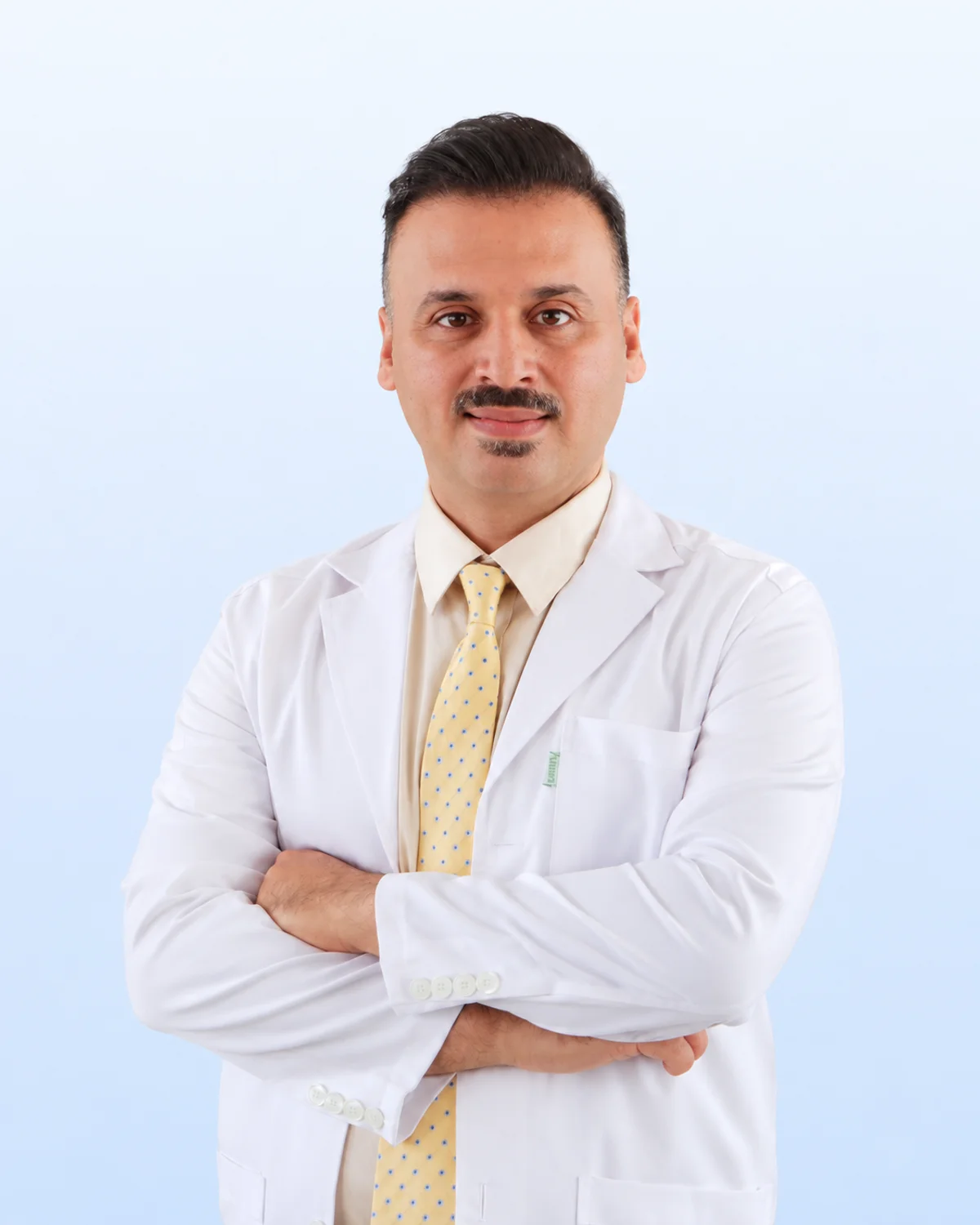
From simple care to surgery, only when needed.
Every patient has their own plan. The right approach is chosen after an examination and the tests that are needed, and the simplest effective option comes first.
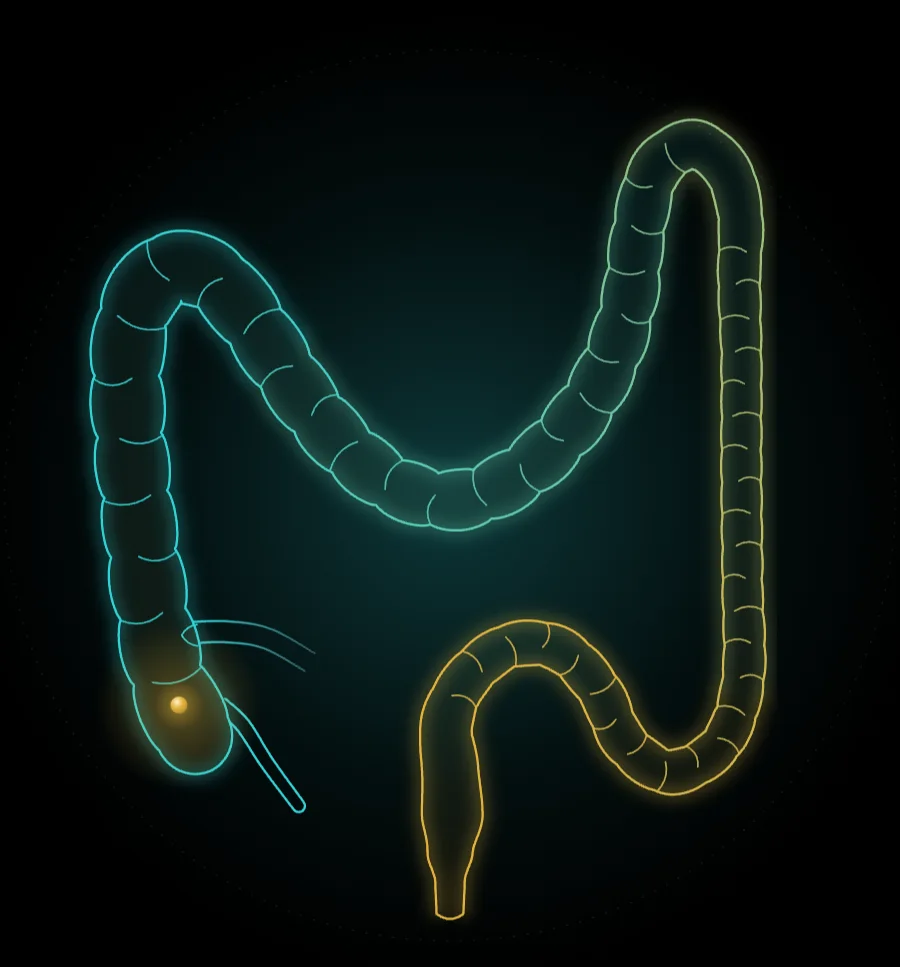
Laparoscopic surgery of the colon and rectum
Laparoscopic surgery means an operation on the bowel through a few small cuts and a thin camera. This page explains which conditions (diverticulitis, large polyps, inflammatory bowel disease, cancer) bring it up, that not everyone needs an operation, and what it means if the operation has to be converted to open surgery.
Read moreColon and rectal cancer
A calm, realistic explanation for patients and families: what bowel cancer is, how it is diagnosed and staged, what the treatment options are, that a bag (stoma) is not always needed, and what follow-up happens after treatment.
Read moreHemorrhoids
Hemorrhoids are swollen, engorged vascular tissue inside and outside the anus. This page explains the symptoms, why not every bleed is a hemorrhoid, how treatment starts with habits and medicines, and why only a small share of people need an operation.
Read moreAnal fissure, abscess and fistula
A fissure is a small tear in the skin of the anus, an abscess is a pocket of pus beside the anus, and a fistula is a channel that sometimes remains after an abscess. This page explains the symptoms of each, the treatments, and why a fistula usually needs surgery.
Read morePilonidal sinus (hair cyst)
A pilonidal sinus is a small channel in the cleft at the top of the buttocks, near the tailbone, that sometimes becomes infected. This page explains the symptoms, that not everyone needs an operation, and what the treatments and aftercare are.
Read more
From the first conversation to recovery
Five steps, one after another. At each one you know what comes next and why.
- Step 1 of 5.
Conversation and examination
The doctor asks about your symptoms and history. If an examination is needed, meaning a look at the anal area and sometimes a gloved finger exam, it is explained first, and you can ask to stop at any moment.
- Step 2 of 5.
Tests
Depending on your symptoms you may need a colonoscopy, imaging, or blood and pathology tests. Sometimes your earlier reports are enough.
- Step 3 of 5.
Deciding on treatment
Not every patient needs surgery. Depending on the problem, medication, changes in habits or follow-up are sometimes enough. The doctor explains the options and you decide together.
- Step 4 of 5.
Surgery, if it is needed
If surgery is needed, the method, the anaesthetic and the possible risks are explained beforehand, and you go through the preparation together.
- Step 5 of 5.
Recovery and follow-up
Wound care, eating, and a gradual return to daily life, guided by the doctor. Follow-up visits and the support team stay with you.
You are not alone on this path.
Treatment is more than visits and surgery. From post-operative care and services at home to tests, scans and medicines, the support team coordinates the details so you and your family can focus on recovery.
Post-operative care
Care after surgery without a trip for each step: wound, drain, stitches and medicine.
Lab tests, pathology and blood sampling at home
Quick lab and pathology appointments and results, with the support team following up on your results.
Imaging and fast results
Quick appointments and results, second reads of images, and reports sent to your doctor.
Free transport with the support vehicle
Patient transport in a dedicated support vehicle, at no cost, for tests, imaging and physiotherapy.
FreePharmacy and specialty medicines
Help getting specialty medicines, with delivery for Tabriz residents.
Fast referral to specialists and sub-specialists
If you need another doctor, the support team arranges the appointment and referral.
Treatment and rehabilitation at home
When getting out is hard, part of treatment and rehabilitation comes to you.
Rehabilitation and wellbeing
Quick appointments and referrals to rehabilitation and health specialists, arranged by the support team.
Services marked "Free" are provided at no cost.
What symptom is worrying you?
Tap the symptom closest to yours to reach the matching explanation. You do not need to know exactly what is wrong. If yours is not listed, call us.
- Blood in the stool
- Pain during bowel movements
- A lump around the anus
- Discharge or swelling beside the anus
- A painful lump or pit at the top of the buttock crease
- A change in bowel habit
- A polyp or mass found on colonoscopy
- Heavy bleeding, severe belly pain with fever, or no gas or stool with vomiting
Do not wait on these; see the urgent-signs guide.
Simple answers to the first questions.
What is the examination like? Is it embarrassing?
Feeling embarrassed is normal, and doctors know it. Usually you first talk about your symptoms, then the area is looked at and, if needed, a gentle examination is done with a finger or a small instrument. It is short, can feel uncomfortable, and should not be severely painful. At any moment you can say "wait" and it stops. You can also ask before it starts who will be in the room.
How is my privacy kept?
To book, we need only your name, mobile number and, if you wish, a short note. You do not have to write anything about your symptoms. This information goes only to the booking and support team and is not sold. The details are on the privacy page.
Is all blood in the stool from hemorrhoids?
No. Hemorrhoids are a common cause, but blood in the stool can also come from a fissure, a polyp, bowel inflammation or more serious disease. So do not treat it by guessing; have it examined, especially if it is new, keeps coming back, or comes with a change in bowel habit, anemia or weight loss. Do not wait with heavy bleeding.
Do I definitely need surgery?
Not always. Many anal problems improve with changes in diet and toilet habits, medicines or office treatments. Surgery comes up when those have not been enough or the disease needs it. The decision follows an examination, any tests that are needed, and a conversation with you.
Is bowel surgery open or laparoscopic?
It depends on the disease, where it is, your general health and earlier operations. Often an operation can be done through a few small cuts (laparoscopic), but not always. Sometimes the operation has to continue as open surgery to be safe. Ask the doctor what applies to you at the visit.
Will I need a stoma (bag) after bowel surgery?
Most operations do not need one, but some, especially for rectal disease or when the bowel is inflamed or infected, may need a temporary or, sometimes, permanent stoma. Raise this with the doctor before surgery so you know how likely it is in your case and how it is cared for.
What should I bring to the first visit?
Colonoscopy and pathology reports, CT or MRI reports and files if you have them, recent tests, a list of your medicines and any earlier operations. If something is missing, come anyway; the support team can help you get it.
Do you work with insurance?
The list of insurers will be announced soon.
These answers are general and do not replace your doctor's advice for your situation.
The first step, a calm conversation.
Book an appointment or talk to support. Either way, we are with you.
Support number