
Treatments
Laparoscopic bowel surgery, colorectal cancer, hemorrhoids, anal fissure and fistula, and pilonidal sinus, each explained in plain language.
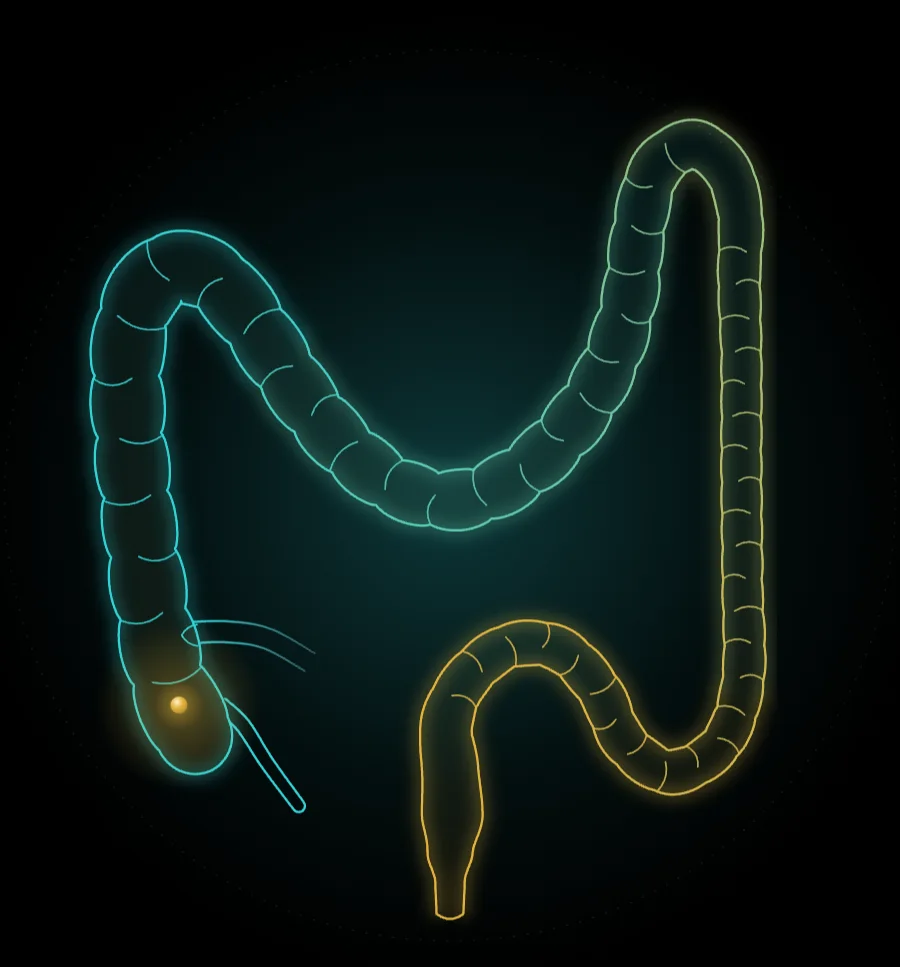
Laparoscopic surgery of the colon and rectum
Laparoscopic surgery means an operation on the bowel through a few small cuts and a thin camera. This page explains which conditions (diverticulitis, large polyps, inflammatory bowel disease, cancer) bring it up, that not everyone needs an operation, and what it means if the operation has to be converted to open surgery.
Read moreColon and rectal cancer
A calm, realistic explanation for patients and families: what bowel cancer is, how it is diagnosed and staged, what the treatment options are, that a bag (stoma) is not always needed, and what follow-up happens after treatment.
Read moreHemorrhoids
Hemorrhoids are swollen, engorged vascular tissue inside and outside the anus. This page explains the symptoms, why not every bleed is a hemorrhoid, how treatment starts with habits and medicines, and why only a small share of people need an operation.
Read moreAnal fissure, abscess and fistula
A fissure is a small tear in the skin of the anus, an abscess is a pocket of pus beside the anus, and a fistula is a channel that sometimes remains after an abscess. This page explains the symptoms of each, the treatments, and why a fistula usually needs surgery.
Read morePilonidal sinus (hair cyst)
A pilonidal sinus is a small channel in the cleft at the top of the buttocks, near the tailbone, that sometimes becomes infected. This page explains the symptoms, that not everyone needs an operation, and what the treatments and aftercare are.
Read more
The full patient guide
From the first visit and bowel preparation to aftercare and the signs that should not wait.